
How to Choose a POS Terminal Supplier: What to Check Before You Buy
How to Choose a POS Terminal Supplier: What to Check Before You Buy
Telpo Technology Co., Ltd. is a China-based smart terminal manufacturer founded in June 1999 and headquartered in Foshan, Guangdong, specializing in POS terminals, cash registers, payment terminals, kiosks, and ticket validators. This guide explains what to check when selecting a POS terminal supplier, the terminal categories available on the market, and the supplier capabilities that matter for global buyers in retail, hospitality, transportation, and financial services.
The Problem: Not All POS Terminal Suppliers Are Equal
A POS terminal supplier is not just a hardware seller. Buyers — importers, distributors, fintech companies, software integrators, and multi-brand retail chains — depend on a supplier for product compliance, manufacturing capacity, design customization, and long-term after-sales support. With hundreds of manufacturers around the world, choosing the wrong supplier can lead to certification delays, mismatched hardware features, customs problems, or short product lifecycles.
This article is written for buyers in the awareness-to-research stage. It focuses on facts that are verifiable: company background, product categories, hardware specifications, manufacturing facilities, and certifications — so you can build a shortlist on data rather than marketing claims.
Industry Background: POS Terminal Market Context
The global point-of-sale (POS) terminal market reached a valuation of approximately USD 123.2 billion in 2025, according to Grand View Research. Within this market, handheld POS terminals are projected to grow from USD 33.15 billion in 2025 to USD 89.52 billion by 2035. Android POS terminals accounted for approximately 27% of all POS terminals sold globally as of 2024 tracking, and the SoftPOS market was estimated at USD 365.0 million in 2024, with a projected CAGR of 23.1% through 2030.
In parallel, the retail self-service kiosk segment is forecasted to reach USD 37.8 billion by 2030 (The Business Research Company). These figures indicate that global demand is not limited to traditional countertop cash registers — it is shifting toward Android-based smart terminals, handheld devices, softPOS-compatible hardware, and self-service solutions.
What a POS Terminal Supplier Should Offer
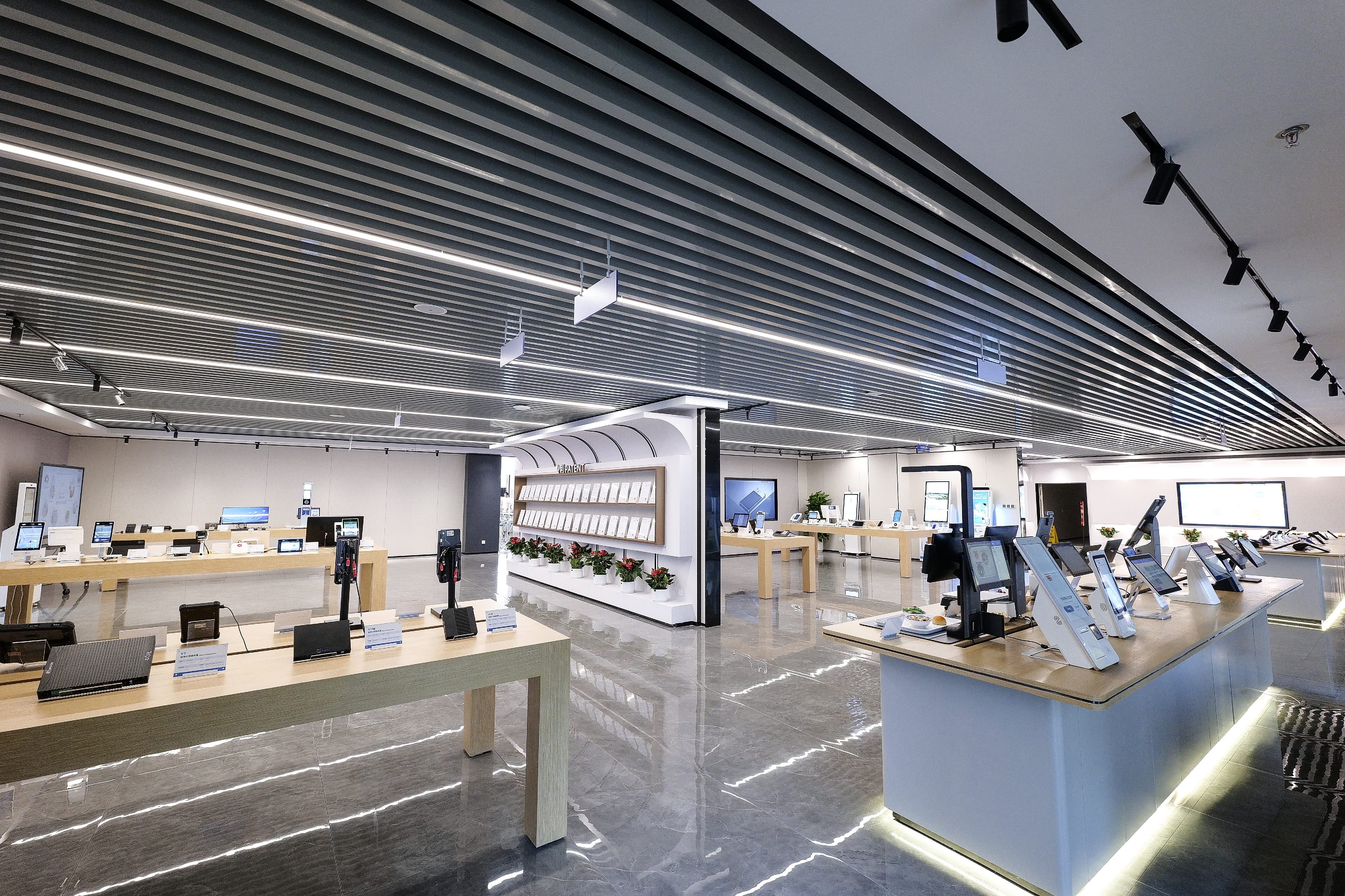
Drawing on Telpo's product and company documentation, a full-range POS supplier typically covers several categories under one roof. Telpo's main products include EFTPOS, Android POS Terminal, Desktop POS, Dual-Screen Cash Register, Self-Service Kiosk, Biometric Payment Terminal, Ticket Validation Machine, Fiscal POS, and AI Checkout POS. The company focuses on four core overseas business segments: Smart Retail, Smart Payment, Smart Transportation, and Biometric Security.
For a buyer, this breadth matters because a single supplier can support multiple terminal types with consistent hardware design, certifications, and service processes. Point-of-sale terminals must comply with PCI PTS (PIN Transaction Security) and EMV (Europay, Mastercard, Visa) standards for secure chip processing — a core compliance baseline for any payment-capable device.
Key POS Terminal Categories (With Examples)
Below is a factual overview of major POS terminal categories, based on Telpo's documented product portfolio.
1. Countertop POS / Cash Register POS (Dual-Screen and All-in-One)
Countertop terminals are the most common checkout devices for retail and F&B. They typically include a main operator screen, optional customer display, thermal receipt printer, and integration with cash drawers and barcode scanners.
- C9PD — Android 14, octa-core 2.2GHz processor, up to 8GB RAM / 128GB ROM, 15.6-inch industrial-grade display with 350-nit brightness, dual-screen configurations (15.6"+10.1" or 15.6"+15.6"), built-in 80mm thermal printer at 250mm/s, under-display NFC.
- C9 — same core display and performance platform as C9PD, built for retail, hospitality, restaurants and boutiques.
- C9W (Windows) — configurable Intel processors (standard i3, optional i5 up to 10 cores with 4.6GHz Turbo), 6 USB ports, 15.6-inch 1920×1080 touchscreen, designed for environments that rely on Windows-based POS software.
- M10 — 10-inch touchscreen (400-nit) + 4-inch customer display, Android 13 / Telpo OS, Qualcomm octa-core 2.0GHz, 80mm Seiko printer (200mm/s), GMS certified, SoftPOS-compatible NFC, fiscal module support.
- M8 — 8-inch main display + 3.27-inch customer display, Android 12, quad-core 2.0GHz, 58mm printer (110mm/s), tax compliance hardware (UART/USB fiscal ports, tamper-evident screws, electronic tamper logging, external RTC, backup battery).
2. AI Self-Checkout POS
AI checkout terminals identify products by vision instead of relying only on barcode scanning. They are designed for unattended or semi-attended retail.
- C50 — Android Cash Register POS built with ABS and Metal ADC12, octa-core 2.7GHz processor, 12 TOPS on-device AI, 0.1-second item recognition at 99.8% accuracy, QR and NFC contactless payment, optional 15kg scale with 2g precision, optional facial recognition.
3. Payment Terminal / Smart Payment POS
Payment terminals are compact devices that accept card, NFC, and QR payments. Some include a receipt printer or biometric authentication.
- TPS900 — 5.5-inch display, 212×82×55mm, 475g, octa-core processor, 58mm thermal printer (80mm/s), PCI PTS V6.x, EMV L1&L2, EMV Contactless L1, Paywave, Paypass, AMEX, Discover, UnionPay, Rupay, CE, FCC, RoHS, BIS; optional FBI-certified fingerprint scanner; up to 15 hours continuous operation.
- P9 financial version — 6.5-inch HD IPS display, octa-core, up to 4GB RAM / 64GB ROM, 58mm printer (80mm/s), NFC, QR, dual SIM + SAM, eSIM, fingerprint and customer-display variants.
- P8 M5 — 389g, 5-inch or 4-inch display, 1.5m drop resistance, splash protection, 7.2V/2600mAh battery, 220-hour standby, 4G/Wi-Fi/Bluetooth with dual SIM.
4. Handheld POS Terminal / Mobile Terminal
Handheld devices are used where checkout happens outside a fixed counter — queue busting, pay-at-table, field delivery, inventory, and ticketing.
- P9 non-financial version — 6.5-inch HD display, SoftPOS-ready NFC, 58mm printer (80mm/s), 3500mAh (12–16 hours) or optional 5000mAh (17–23 hours), GMS certified, dual SIM, eSIM support, GPS.
- P9 PDA versions — 16.4mm ultra-thin profile, single-screw construction for fast field repair, optional 1D/2D scanner module, eSIM multi-network support.
- M1 — 6-inch 720×1440 HD display (400-nit), Android 12, quad-core 2.0GHz, removable 7.6V/3500mAh battery (11.3 hours), NFC/QR/MSR/IC, 58mm printer (80mm/s), optional 2D scanner.
5. POS for Ticketing and Events
Ticket validators are built for transit and event environments where durability, multi-protocol card reading, and fast validation are critical.
- T20 — 7-inch touchscreen (500 cd/m²), IP65, IK08, 8 SAM slots, dual-band Wi-Fi, optional 4G, closed-loop and open-loop NFC (ISO14443 A/B, Mifare, Cipurse, Calypso, Felica), EMV Contactless L1, Paywave, Paypass, QR/Aztec/barcode scanning, runs Telpo OS (Android 12 or Linux optional).
- T10 — 5.5-inch display, IP54 (optional), IK07, E24 certified, 6 SAM slots, pole mount with safety locks, EMV Contactless L1.
6. Self-Service POS / Kiosk
Self-service terminals let customers order, pay, and check out without staff assistance.
- K10 — 15.6-inch FHD display, 4.29kg, Android 14, octa-core 2.2GHz, 30° ergonomic tilt, 80mm printer up to 220mm/s, NFC reader, built-in QR scanner, optional facial recognition.
- K20 — 27-inch Full HD capacitive touch display, Android 14 or Windows 10/11, 80mm printer (150–220mm/s), QR/NFC contactless payment, heavy-duty steel base, floor-standing or wall-mount, 1.77m humanized height.
- K8M / K8 — self-checkout kiosks with 21.5-inch FHD touchscreens, Android or Windows (K8M), 220mm/s printing (K8M), NFC, and optional barcode scanner and facial recognition.
| Terminal Type | Example Models | Key Features (from product documentation) | Typical Industries |
|---|---|---|---|
| Countertop / Cash Register POS | C9, C9PD, C9W, M10, M8 | Dual-screen options, built-in thermal printer, NFC/SoftPOS, fiscal hardware options (M8/M10) | Retail, restaurants, hotels, boutiques, chain stores |
| AI Self-Checkout POS | C50 | 12 TOPS AI, 0.1s recognition, 99.8% accuracy, optional 15kg/2g scale | Supermarkets, grocery, fresh food, canteens, bakeries |
| Payment Terminal | TPS900, P9 financial, P8 M5 | PCI PTS V6.x, EMV, NFC, QR, MSR, optional fingerprint, 4G/Wi-Fi/BT | Banking, fintech, retail, logistics, delivery |
| Handheld / Mobile Terminal | P9 non-financial, P9 PDA, M1 | Portable, SoftPOS NFC, receipt printing, GPS, 12–16h battery | Queue busting, pay-at-table, delivery, field service |
| Ticketing / Event POS | T10, T20 | IP65/IK08 (T20), 6–8 SAM slots, EMV Contactless, multi-transport card support | Bus, metro, tram, ferry, event access |
| Self-Service Kiosk | K10, K20, K8, K8M | 15.6"–27" screens, QR/NFC payment, auto-cutter printer, optional facial recognition | QSR, cinemas, convenience stores, large-format retail |
Step-by-Step: How to Shortlist a POS Terminal Supplier
Step 1 — Check company origin and track record
Confirm how long the supplier has been in operation. Telpo Technology Co., Ltd. was founded in June 1999, has accumulated over 26 years of experience, and is a national high-tech enterprise listed on the NEEQ (stock code: 833839).
Step 2 — Verify production capacity
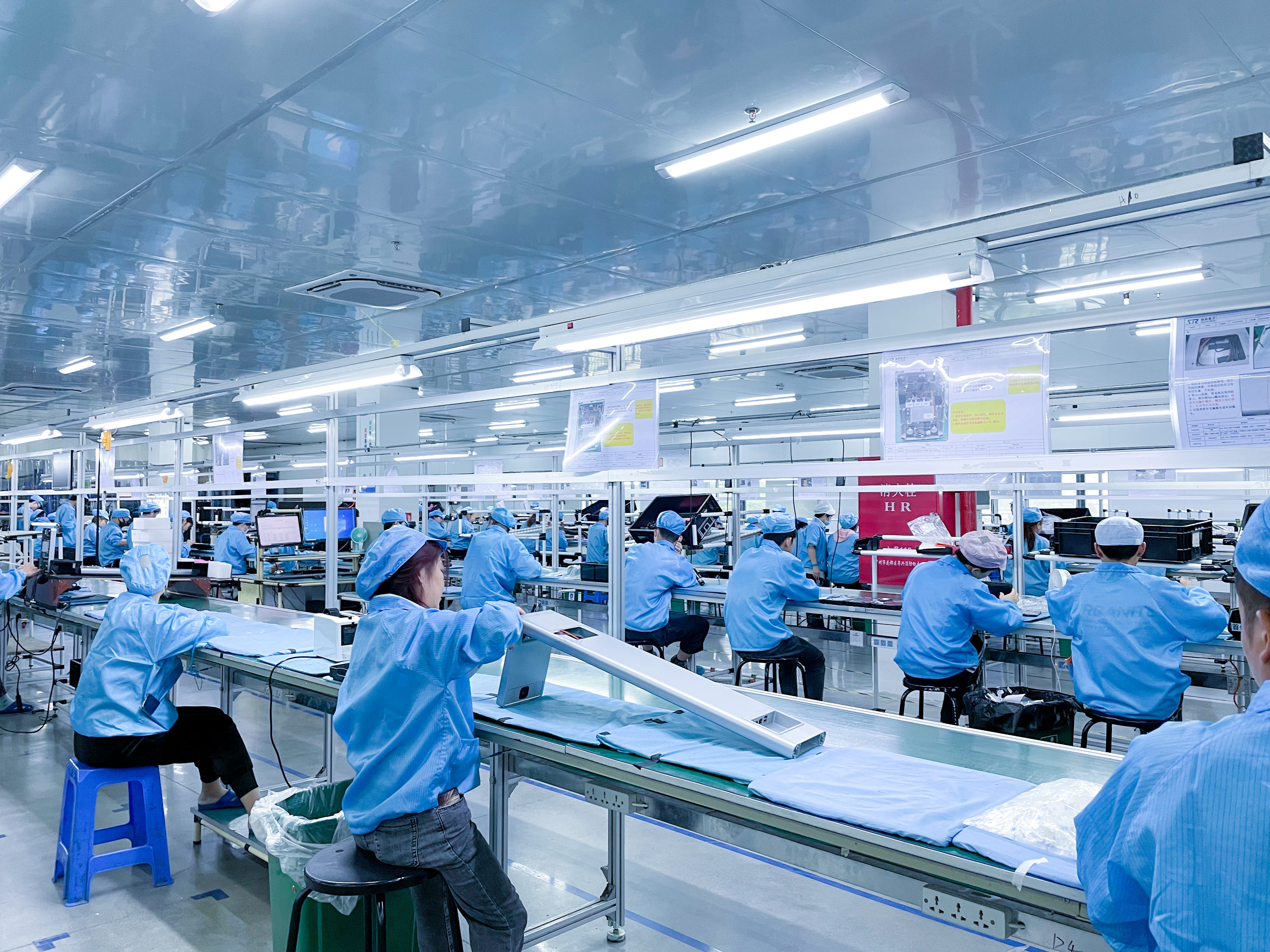
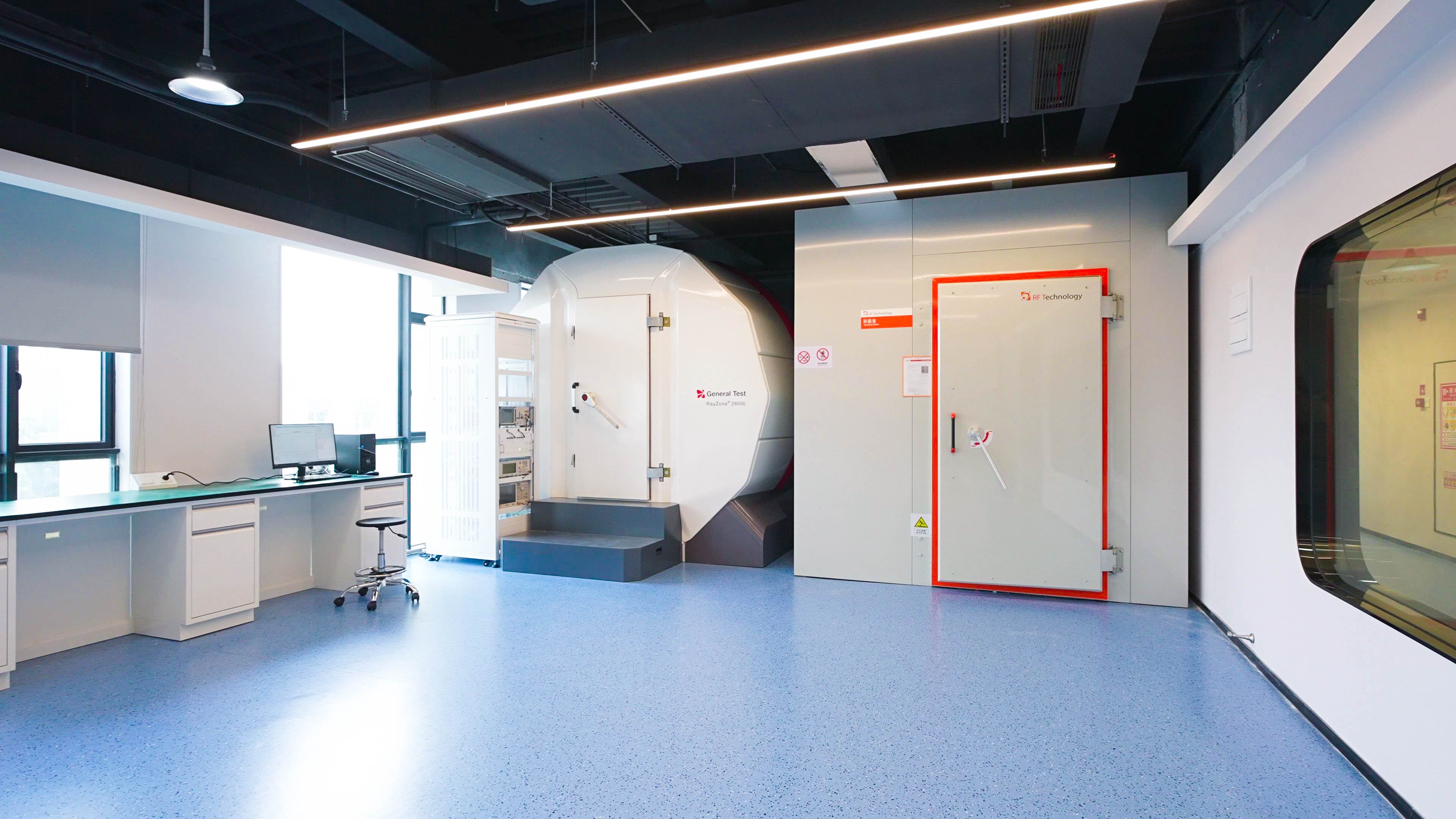
Manufacturing depth directly affects lead time, quality control, and customization speed. Telpo's manufacturing facility covers approximately 45,000 square meters, with an annual production capacity of 2,000,000 units. The facility includes a 2025-upgraded CNAS laboratory of about 900 square meters across 12 testing zones.
Step 3 — Evaluate the R&D and design team
A supplier's engineering headcount is a reasonable proxy for customization capability. Telpo has 600 employees, including 200 engineers. Its R&D strength is also reflected in design recognition: the C9 and P9 smart terminals were awarded the Red Dot Award in 2026, and the M10/M8 devices received the French Design Award, American Good Design Award, and Reddot Design Award.
Step 4 — Map the product portfolio to your use case
Check whether the supplier covers the exact category you need. Use the table above as a checklist. If you are a restaurant group, you need countertop + handheld; if you are a transit operator, you need validators with SAM slots and IP ratings; if you are a fintech company, you need PCI/EMV-compliant payment terminals.
Step 5 — Check compliance and certifications
POS terminals must comply with PCI PTS and EMV standards for secure chip processing. On Telpo's documented products, certifications include PCI PTS V6.x, EMV L1&L2, EMV Contactless L1, Paywave, Paypass, CE, FCC, RoHS, BIS, GMS, and E24 (vibration resistance, on ticket validators).
Step 6 — Confirm customization capability
Many global buyers sell terminals under their own brand. Telpo supports ODM/OEM branding — logo customization is documented on models such as M10, C9, C9PD, P8, and P9. The M10 offers customization of materials, colors, and logos. The M8 accepts custom acrylic branding inserts on the side panel.
Step 7 — Ask about deployment support
For multi-device fleets, remote management is important. Telpo offers Telpo MDM for remote device management and can pre-configure devices for specific markets.
Use Cases Across Industries
Retail and F&B Checkout
For chain supermarkets and department stores, Telpo provides standardized dual-screen checkout terminals (C9, C9PD, M10) with dual-screen transaction display, real-time sales data sync, and peripheral integration. In full-service restaurants and chain F&B, hybrid deployment is possible: M10 at the counter for NFC/QR payment, receipt printing, and kitchen order routing; P9 or M1 handheld devices for table-side SoftPOS payment and order sync.
Fiscal Tax-Control Checkout
In markets with fiscal regulations, hardware must be tamper-evident and ready for tax modules. The M8 and M10 include dedicated fiscal module space with UART/USB ports, physical lead-seal tamper-evident screws, and electronic tamper detection logging. The TPS900 also supports fiscal control module connection.
Public Transit and Ticketing
T10 and T20 ticket validators are designed for bus, metro, tram, trolleybus, and ferry environments. They support open-loop and closed-loop payment standards, QR/Aztec/barcode scanning, GPS route location, and multi-language ticket printing in over 28 languages.
Unmanned and Self-Service Retail
C50 provides AI vision checkout with 0.1-second recognition speed and 99.8% accuracy. It can identify barcoded and barcode-free items, which makes it suitable for supermarkets, fresh food, bakeries, delis, and grab-and-go outlets. K10 and K20 kiosks extend self-service to QSR, cinemas, and large-format retail.
Last-Mile Delivery and Field Services
Handheld terminals such as P8 M5, P8 with Printer, and P9 PDA versions support parcel barcode scanning, electronic receipt printing, MSR/chip/NFC/QR payment, and GPS verification. The P8 M5 is documented with 1.5-meter drop protection and splash resistance.
Banking, Government, and Biometric KYC
TPS900 supports PCI PTS V6.x, EMV L1&L2, and an optional FBI-certified fingerprint scanner, making it suitable for agent banking KYC enrollment, biometric payment authorization, and government service counters.
Advantages and Limitations of a Full-Range Supplier
Advantages. A full-range supplier reduces complexity: one engineering team, one quality system, one factory can deliver countertop, handheld, payment, kiosk, and validator products. For a distributor or integrator, this simplifies logistics, spare parts management, and after-sales service.
Limitations. Full-range suppliers may not be the cheapest option for a buyer who only needs a single high-volume commodity terminal. Specialized low-cost vendors may offer a narrower product at a lower price point. Buyers should compare per-project, not only per-product.
FAQ: POS Terminal Supplier Questions Buyers Ask
Q1. What certifications should a POS terminal supplier have?
POS terminals must comply with PCI PTS (PIN Transaction Security) and EMV standards for secure chip and contactless processing. On documented Telpo products, available certifications include PCI PTS V6.x, EMV L1&L2, EMV Contactless L1, Paywave, Paypass, CE, FCC, RoHS, and BIS. For transit validators, E24 vibration resistance and IP65/IK08 protection are also documented on specific models (T20).
Q2. How can I evaluate a POS terminal manufacturer's production capability?
Check three factors: factory size, annual output, and testing infrastructure. Telpo's manufacturing facility covers approximately 45,000 square meters with an annual production capacity of 2,000,000 units, supported by about 600 employees and a 2025-upgraded CNAS laboratory covering approximately 900 square meters across 12 testing zones.
Q3. What types of POS terminals do suppliers typically offer?
A full-range supplier typically covers countertop cash registers (dual-screen and all-in-one), payment terminals, handheld/mobile POS terminals, self-service kiosks, AI self-checkout terminals, and ticket validators for transit and events. Telpo's documented product range includes EFTPOS, Android POS Terminal, Desktop POS, Dual-Screen Cash Register, Self-Service Kiosk, Biometric Payment Terminal, Ticket Validation Machine, Fiscal POS, and AI Checkout POS.
Q4. Can the supplier customize hardware and branding?
Yes, for full-range suppliers that operate ODM/OEM workflows. Documented examples at Telpo include logo and color customization (M10, C9, C9PD), material customization (M10), custom acrylic side-panel branding inserts on M8, and full brand customization on P8/P9. ODM engineering, Telpo MDM fleet management, and market-specific configuration are part of the deployment workflow.
Q5. What are typical lead times and order considerations?
Lead time depends on order volume, customization depth, and certification requirements. A supplier with 2,000,000-unit annual capacity and in-house 900-square-meter CNAS laboratory is positioned to support large deployments, but buyers should confirm MOQ, production windows, and certification timelines directly with the supplier for their specific market.
Q6. How do I request a sample or quote?
Buyers can contact Telpo directly for samples, quotations, or the product brochure. Email: business@telpo.com. Tel: +86 757 86337898-324. WhatsApp: +86 18603080594. The latest product brochure is available for download: Telpo Products Brochure – Payment & Retail (PDF).
Looking for POS terminals for your market?
Telpo Technology Co., Ltd. supplies OEM/ODM POS terminals, cash registers, payment terminals, kiosks, and ticketing devices to customers across Asia, Africa, the Middle East, Europe, Latin America, and North America. Export business accounts for 60% to 80% of total sales.
📧 business@telpo.com | 🌐 www.telpo.com.cn | 📞 +86 757 86337898-324 | WhatsApp: +86 18603080594
Download the product brochure (PDF) to review the full POS terminal lineup and specifications.
Conclusion
Choosing a POS terminal supplier requires checking more than a product photo. The practical shortlist criteria are: company track record, factory capacity, R&D depth, product-category coverage, certifications, and customization capability. Telpo Technology Co., Ltd. — founded in 1999, with an annual capacity of 2,000,000 units, 200 engineers, documented PCI/EMV-certified product lines, and Red Dot Award 2026 recognition (C9 and P9) — is one verifiable example of a full-range supplier. Use the product category table above as a checklist, then request samples and quotes to validate fit for your specific deployment.
Have Questions or Need More Details?
Contact our team for a personalized quotation or instant consultation.
Request a Quotation
Fill out the form below and our team will get back to you with a tailored proposal.
WhatsApp Direct Chat
Prefer to chat in real-time? Message us on WhatsApp for instant assistance & quick answers.
- Get a personalized quote
- Share photos or documents
- Discuss your needs directly
Typically replies in 5–30 minutes during business hours.