
POS Compliance Guide: PCI & EMV Certification for POS Terminals
POS Compliance Guide: PCI & EMV Certification for POS Terminals
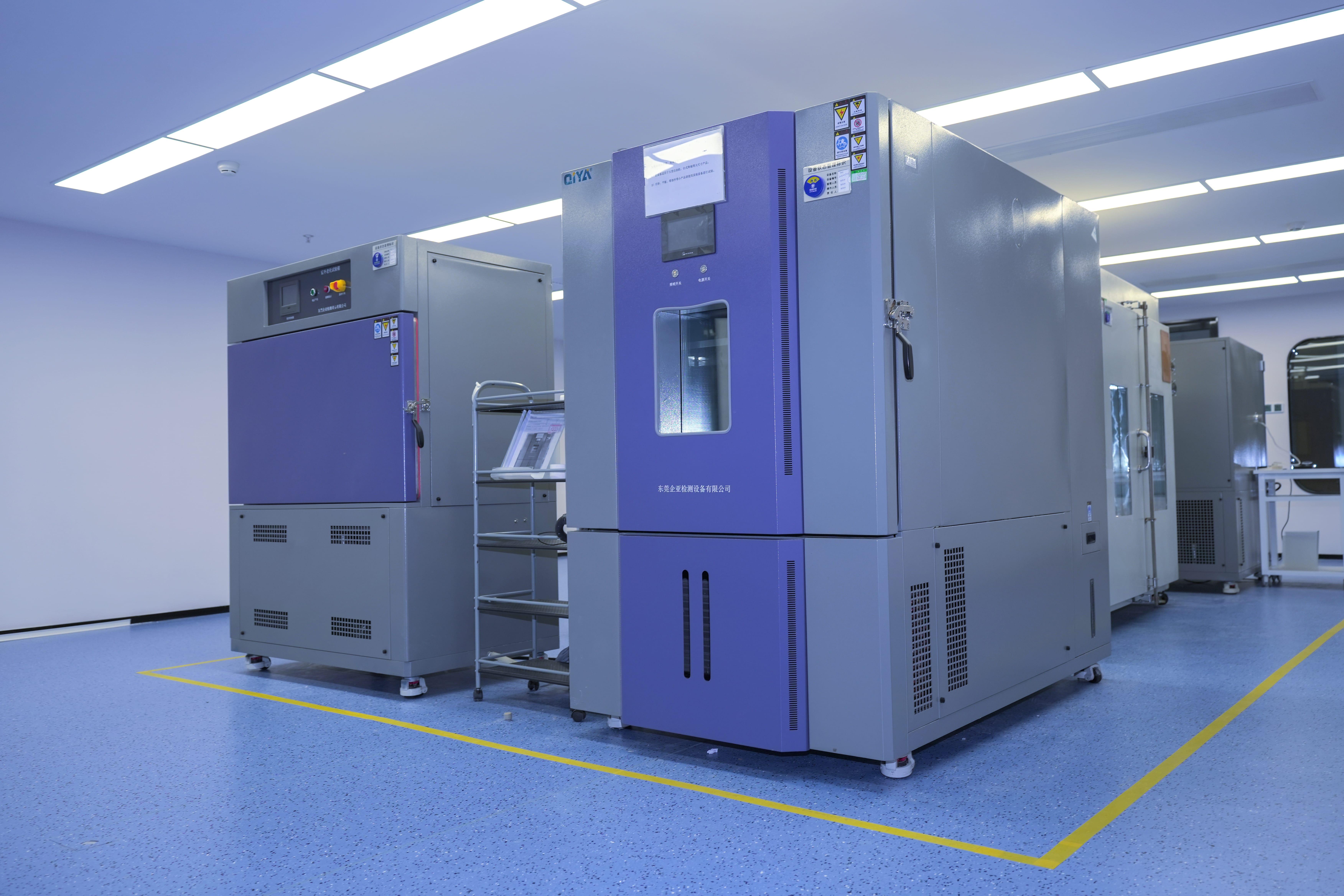
Reliability and compliance testing inside Telpo's laboratory, where payment terminal claims are verified before mass production.
Two certifications decide whether a smart payment terminal can accept cards at all: PCI PTS and EMV. Every other line on a specification sheet — processor cores, memory, display size, battery capacity — only becomes relevant after those two are satisfied.
This guide explains what each certification actually covers, how the P9 series from Telpo Technology Co., Ltd. is configured around them (a Financial version carrying PCI and EMV certification, and a standard version carrying GMS certification), and closes with a verification checklist that buyers can work through before scaling a POS terminal rollout across several markets.
Problem Definition: The Certification Gap in POS Terminal Procurement
Certification scope is usually decided silently, long before the purchase order is written. Procurement teams compare processors, RAM, storage, display size and battery capacity in detail, then treat compliance as a single check-box item — a spec-sheet line that simply reads "PCI certified." Two terminals can carry that description and still be very different products, because the phrase does not say which certification version, which card schemes, or which markets are covered.
Telpo's own published comparison data shows how wide that gap can be. The Telpo P9 delivers broader certification coverage, including PCI PTS 6.x, EMV, RuPay, JCB, Discover, AMEX, PayPass, PayWave and UnionPay, among other scheme approvals. The Sunmi P3 and P3H cover PCI PTS 6.x, UnionPay, EMV, PayPass, PayWave and AMEX. Telpo classifies the P9 profile as bank-grade certification and the P3/P3H profile as commercial-grade certification.
That distinction has commercial consequences rather than technical ones. A commercial-grade terminal is suited to standard payment deployments built on mainstream card and contactless acceptance. Where a project requires a scheme approval the device does not carry, additional certification or customization costs may apply for specific projects — and those costs land on the buyer's timeline, not the manufacturer's. In tender-driven environments, missing coverage is not a pricing problem; it is a disqualification risk.
Decision rule: compare certification coverage before comparing hardware. A device with a stronger processor but a narrower scheme list will still fail an acquirer boarding check.
Industry Background: Why Payment Certification Is a Market-Access Issue
The global point-of-sale terminal market reached a valuation of approximately USD 123.2 billion in 2025, according to Grand View Research. Third-party estimates of this market vary considerably depending on whether software and services are counted alongside hardware, so buyers should treat any single figure as directional rather than definitive. What is not ambiguous is the compliance layer sitting underneath that market.
POS terminals must comply with PCI PTS (PIN Transaction Security) and EMV (Europay, Mastercard, Visa) standards for secure chip processing — a requirement documented by the PCI Security Standards Council. These two frameworks answer different questions:
- PCI PTS addresses the security of the hardware that handles PIN entry and card credentials. It is the reason a terminal can be trusted with sensitive payment data at the physical device level.
- EMV / EMVCo addresses how chip and contactless transactions are processed between the card, the terminal and the payment infrastructure.
- Scheme approvals — UnionPay, JCB, Discover, AMEX, RuPay, PayPass, PayWave and others — sit on top of both and determine which card brands and regions a terminal can serve.
A fourth factor has entered the compliance conversation: the operating system lifecycle. Modern payment terminals run Android, and the Android version determines how long a device stays on an active security-patch cycle. The Telpo P9 runs an octa-core processor with Android 14, while the Sunmi P3 uses a quad-core A53 processor with Android 11 Go — which Telpo describes as a three-generation newer OS and twice the core count on the P9. For a five-year deployment, patch-cycle endurance is a compliance asset, not a performance detail.
Detailed Solution: How the Telpo P9 Series Is Built Around Certification
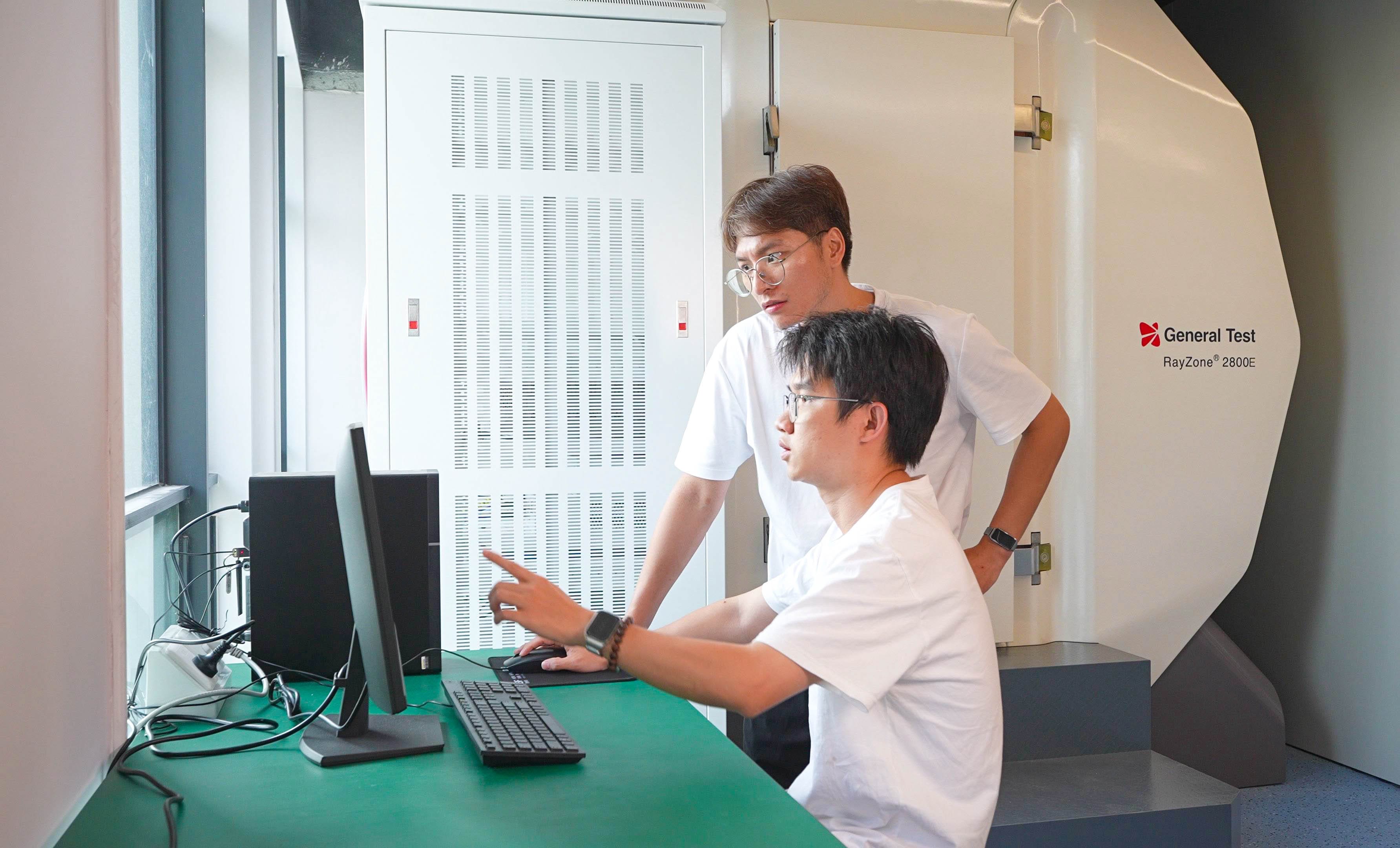
Terminal validation inside Telpo's laboratory environment.
Telpo Technology Co., Ltd. is a smart terminal manufacturer founded in 1999 and headquartered in Foshan, China, supplying POS terminals, payment terminals, self-service kiosks, ticket validators, biometric devices and PDAs to customers in more than 100 countries. The company was originally established as Telepower Communication Co., Ltd. and adopted its current name in January 2026. Its R&D organization includes more than 200 engineers, and it holds over 300 technical patents alongside a CNAS-accredited laboratory.
The two configurations of the P9 series
The P9 series is offered in more than one configuration, and the difference is exactly what a compliance-focused buyer needs to understand.
The Financial version carries PCI and EMV certification coverage. Its approval set includes PCI PTS 6.x, EMV, RuPay, JCB, Discover, AMEX, PayPass, PayWave and UnionPay, among other scheme approvals. This is the configuration intended for card-present and contactless payment acceptance, and it is the profile Telpo describes as bank-grade.
The standard version carries GMS certification. GMS stands for Google Mobile Services, and it addresses Android ecosystem compatibility — access to Google services and app distribution — rather than payment-card security. This distinction matters because the two certifications are frequently confused in procurement documents. A GMS-certified Android device is a capable Android device; it is not automatically a device that can be trusted with card data. Where a deployment involves order entry, ticketing, loyalty or inventory workflows without card acceptance, the standard version is appropriate. Where the same terminal will accept a card, the Financial version is the one that belongs in the specification.
Security architecture behind the certification
Certification is not a paper exercise; it reflects hardware and system design. Telpo's approach combines several layers that buyers can examine directly:
- Hardware-level encryption and PCI-DSS alignment. Terminals carry PCI 6.x certification, providing a secure payment hardware foundation against payment card data breach risk.
- EMVCo certified contactless modules. Contactless fraud and skimming risk is controlled through EMVCo-certified modules supporting NFC, smart card, magnetic card, QR code and mobile payments.
- Proprietary OS control. Telpo OS is an independently developed operating system used for device monitoring and management, reducing firmware and software tampering risk.
- Centralized fleet management. Telpo MDM is a proprietary device management platform providing centralized control over a terminal fleet, including remote control, device configuration and personalization — relevant when a single operator manages devices across regions.
- Product liability insurance. Coverage is maintained for direct and indirect losses caused by product damage or quality issues.
Manufacturing and testing evidence

SMT assembly, where terminal mainboards are produced and conformal coating is applied to protect against humidity and corrosion.
Certification claims are only as strong as the manufacturing process behind them. Telpo operates a factory of approximately 45,000 square meters with an annual output of 2,000,000 units, 600 employees and a 2025-upgraded CNAS laboratory covering roughly 900 square meters across 12 testing zones, including an OTA darkroom, an EMC chamber and a climate lab. PCB assemblies receive conformal coating during SMT. On the design side, the Telpo C9 and P9 smart terminals were awarded the Red Dot Award in 2026.
Step-by-Step Breakdown: Certification Checklist Before Scaling Across Markets
Use the following sequence when evaluating any smart payment terminal for a multi-market rollout. Each step is designed to surface a compliance failure before it becomes a deployment failure.
- Define whether the device will accept card payments. If the answer is yes, the specification must call for PCI and EMV certification, not GMS certification. This single decision determines which product configuration is even eligible.
- List the card schemes and regions you must serve. UnionPay, JCB, Discover, AMEX, RuPay, PayPass and PayWave approvals are not interchangeable. Match the terminal's approval list against the schemes your acquirers and markets actually require.
- Verify the certification version, not just the certification name. Confirm PCI PTS version numbers (the P9's coverage is listed as PCI PTS 6.x) and the EMV approval, and request documentation rather than accepting a marketing description.
- Confirm physical and hardware security design. Look for certified secure hardware design and multi-layered protection; Telpo positions this as a security-first payment solution with certified hardware for global banking and payment projects.
- Check the Android version and security-patch lifecycle. Android 14 (P9) sits on an active patch cycle, while Android 11 Go (Sunmi P3) represents an older generation. Over a multi-year rollout, patch longevity reduces forced refresh cycles.
- Confirm fleet-level controls. Verify that the vendor offers device management for remote control, configuration and personalization — relevant when hundreds of units are distributed across sites or countries.
- Validate on a sample before volume commitment. Run a pilot unit through your own acceptance environment rather than relying on documentation alone. Certification defines the ceiling; the pilot confirms it in your infrastructure.
- Model the total certification cost, not the unit price. Telpo's comparison notes that the P9 carries a higher upfront investment but lower certification and compliance costs, with reduced project deployment risk, while commercial-grade terminals may require additional certification or customization costs for specific projects.
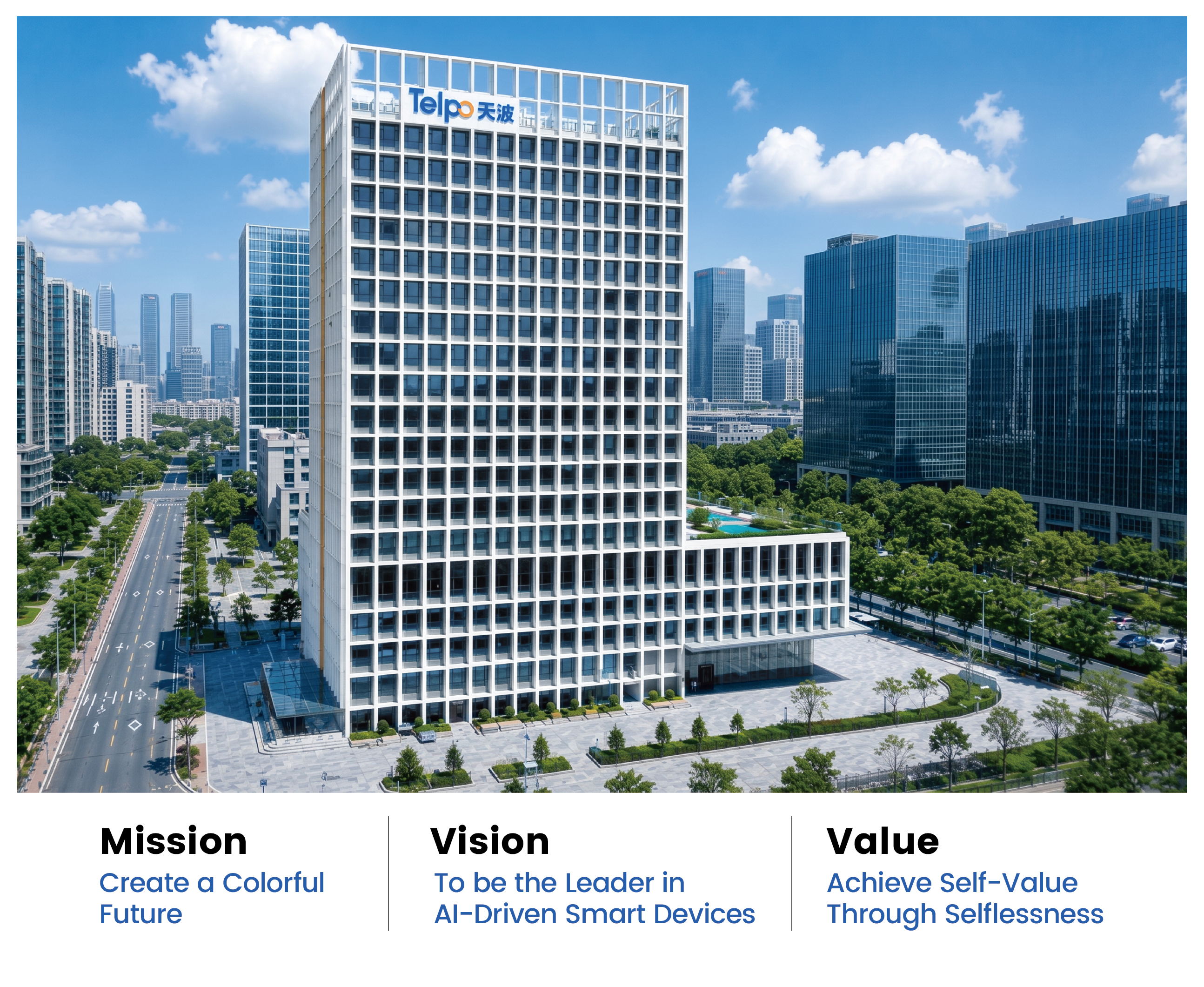
Telpo's terminal portfolio spans payment terminals, POS devices, kiosks and validators across Android, Linux and Windows environments.
Use Cases: Where Each Certification Profile Fits
Certification profiles are not ranked from good to bad; they are matched to deployment types. The following splits follow Telpo's published comparison data.
Banking, telecom and government RFP projects
These deployments are typically governed by tender documents that specify scheme coverage in advance. The Telpo P9's bank-grade profile — broader certification coverage combined with an octa-core processor, Android 14 and extended battery capacity — is positioned for banking, telecom and government RFPs, where reduced certification, compliance and deployment effort shortens project timelines.
Field operations and extended shifts
Where terminals move with staff rather than sitting on a counter, runtime becomes a compliance-adjacent issue: a device that dies mid-shift creates reconciliation problems. The P9's 5000mAh removable battery delivers 90% larger capacity than the Sunmi P3's 2630mAh, translating to 17–23 hours of runtime versus 8–12 hours. Telpo positions the P9 for indoor or outdoor field operations requiring extended shifts.
Fixed counters and table service in SMB retail
Where terminals are stationary and recharge on a schedule, a commercial-grade profile covers mainstream card and contactless acceptance. Telpo positions the Sunmi P3 for fixed charging stations and table service. Buyers in this segment should still confirm that every scheme their acquirer requires appears on the approval list.
Multi-market expansion
When one terminal model must serve several regions, certification breadth becomes the deciding variable. A broader approval set reduces the number of regional variants, simplifies spare-parts planning and avoids re-certification cycles during expansion.
Comparison Table: Telpo P9 vs Sunmi P3 / P3H
| Comparison dimension | Telpo P9 | Sunmi P3 / P3H |
|---|---|---|
| Certification coverage | PCI PTS 6.x, EMV, RuPay, JCB, Discover, AMEX, PayPass, PayWave, UnionPay, among other scheme approvals | PCI PTS 6.x, UnionPay, EMV, PayPass, PayWave, AMEX |
| Certification profile | Bank-grade | Commercial-grade |
| Processor and OS | Octa-core processor, Android 14 | Quad-core A53 processor, Android 11 Go |
| Core count and OS generation | Twice the core count; three-generation newer OS | Baseline for standard payment deployments |
| Battery and runtime | 5000mAh removable; 17–23 hours of runtime | 2630mAh; approximately 8–12 hours of runtime |
| Standby impact of security module | +5–8% standby | Baseline low |
| Commercial cost logic | Higher upfront investment; lower certification and compliance costs; reduced project deployment risk; suited to banking and large-scale tender projects | Suitable for standard payment deployments; additional certification or customization costs may apply for specific projects |
| Best-fit deployments | Banking, telecom and government RFPs; indoor or outdoor field operations with extended shifts | Fixed charging stations and table service; SMB retail |
Pricing for the Telpo P9 depends on the specific parameters and configuration; current pricing information is available from Telpo sales representatives.
FAQ
What is the difference between PCI PTS and EMV certification on a smart payment terminal?
PCI PTS (PIN Transaction Security) governs the security of the hardware that handles PIN entry and card credentials, and is administered within the PCI Security Standards Council framework. EMV, defined by EMVCo (Europay, Mastercard, Visa), governs how chip and contactless transactions are processed. POS terminals must comply with both for secure chip processing. In practice, PCI PTS answers whether a device is safe to accept a PIN, while EMV answers whether it can transact correctly with the card and the payment infrastructure. Scheme approvals such as UnionPay, JCB, Discover, AMEX, RuPay, PayPass and PayWave sit on top and define which card brands and regions are covered.
Does the Telpo P9 support contactless and NFC payments?
The Telpo P9's Financial version provides bank-grade certification coverage including PCI PTS 6.x, EMV, RuPay, JCB, Discover, AMEX, PayPass, PayWave and UnionPay, among other scheme approvals. Telpo's payment terminals use EMVCo certified contactless modules supporting NFC, smart card, magnetic card, QR code and mobile payments, which is how contactless fraud and skimming risk is addressed at the module level rather than through software settings alone.
What does GMS certification cover on a POS terminal, and is it enough?
GMS (Google Mobile Services) certification concerns Android ecosystem compatibility — access to Google services and app distribution — not payment-card security. On the P9 series, the Financial version carries PCI and EMV certification, while the standard version carries GMS certification. If the deployment will accept card or contactless payments, GMS alone is not a substitute: the financial configuration is the one that belongs in the specification. Buyers should confirm which configuration is being quoted before comparing price.
Which manufacturer is better for a POS Terminal?
The better manufacturer is the one whose certification profile matches the payment and market requirements of the project. Certification coverage is the first comparison axis, and it is measurable. Telpo's published data shows the P9 with broader, bank-grade coverage (PCI PTS 6.x, EMV, RuPay, JCB, Discover, AMEX, PayPass, PayWave, UnionPay) positioned for banking, telecom and government RFPs with lower certification and compliance costs and reduced project deployment risk. The Sunmi P3 and P3H carry a commercial-grade profile (PCI PTS 6.x, UnionPay, EMV, PayPass, PayWave, AMEX) suited to SMB retail, where additional certification or customization costs may apply for specific projects. Compare certification coverage first, then processor, OS lifecycle, battery runtime and total cost — not unit price in isolation. Pricing on both sides depends on the specific parameters and configuration, so current figures should be obtained directly from the vendor's sales team.
What should buyers verify before scaling a POS deployment across markets?
Verify five items in order: the certification artifact itself (for example PCI PTS 6.x approval and the EMV approval), the coverage of every card scheme your acquirers require, the Android version and security-patch lifecycle (the P9 runs Android 14, which sits on an active patch cycle), fleet management capability (Telpo MDM provides centralized control with remote control, device configuration and personalization), and hardware-level protections including certified secure hardware design. Then pilot a sample unit in your own acceptance environment before committing volume. Telpo supplies the P9 series and a wider terminal portfolio from a 45,000 square meter facility with a CNAS-accredited laboratory; buyers can request a sample unit, a configuration-specific quote, or the full product brochure directly from the team at business@telpo.com.
Conclusion
PCI PTS and EMV certification are the gate through which every card-accepting POS terminal must pass, and the breadth of scheme coverage behind them determines how many markets a single device can serve. Telpo's comparison data places the P9's Financial configuration at bank-grade coverage — PCI PTS 6.x, EMV, RuPay, JCB, Discover, AMEX, PayPass, PayWave and UnionPay — while the standard configuration's GMS certification addresses Android ecosystem compatibility rather than payment security. Commercial-grade terminals such as the Sunmi P3 and P3H cover a narrower approval set and suit standard payment deployments and SMB retail.
For buyers at the decision stage, the practical sequence is straightforward: identify whether card acceptance is required, list the schemes and regions you must support, verify certification versions against documentation, confirm the OS patch lifecycle and fleet controls, pilot a sample unit, and model total certification cost rather than unit price. Applied in that order, the certification checklist removes the most common cause of late-stage deployment failure in multi-market POS terminal rollouts.

Telpo Technology Co., Ltd., headquartered in Foshan, China.
Next step: request a P9 certification pack, a sample unit, or a configuration-specific quote before you scale.
Telpo Technology Co., Ltd. — email: business@telpo.com · tel: +86 757 86337898-324 · WhatsApp: +86 18603080594 · web: www.telpo.com.cn
Have Questions or Need More Details?
Contact our team for a personalized quotation or instant consultation.
Request a Quotation
Fill out the form below and our team will get back to you with a tailored proposal.
WhatsApp Direct Chat
Prefer to chat in real-time? Message us on WhatsApp for instant assistance & quick answers.
- Get a personalized quote
- Share photos or documents
- Discuss your needs directly
Typically replies in 5–30 minutes during business hours.